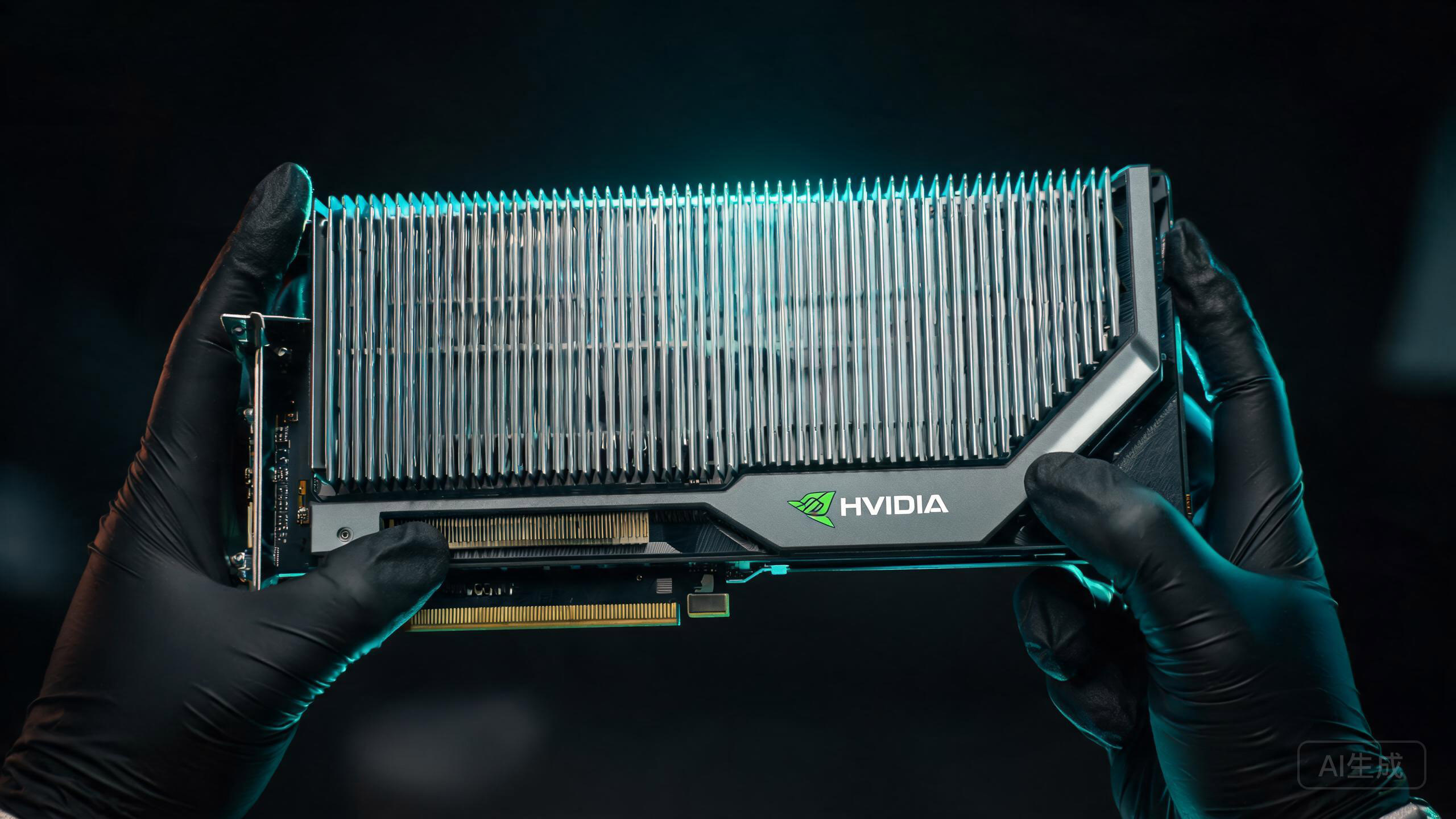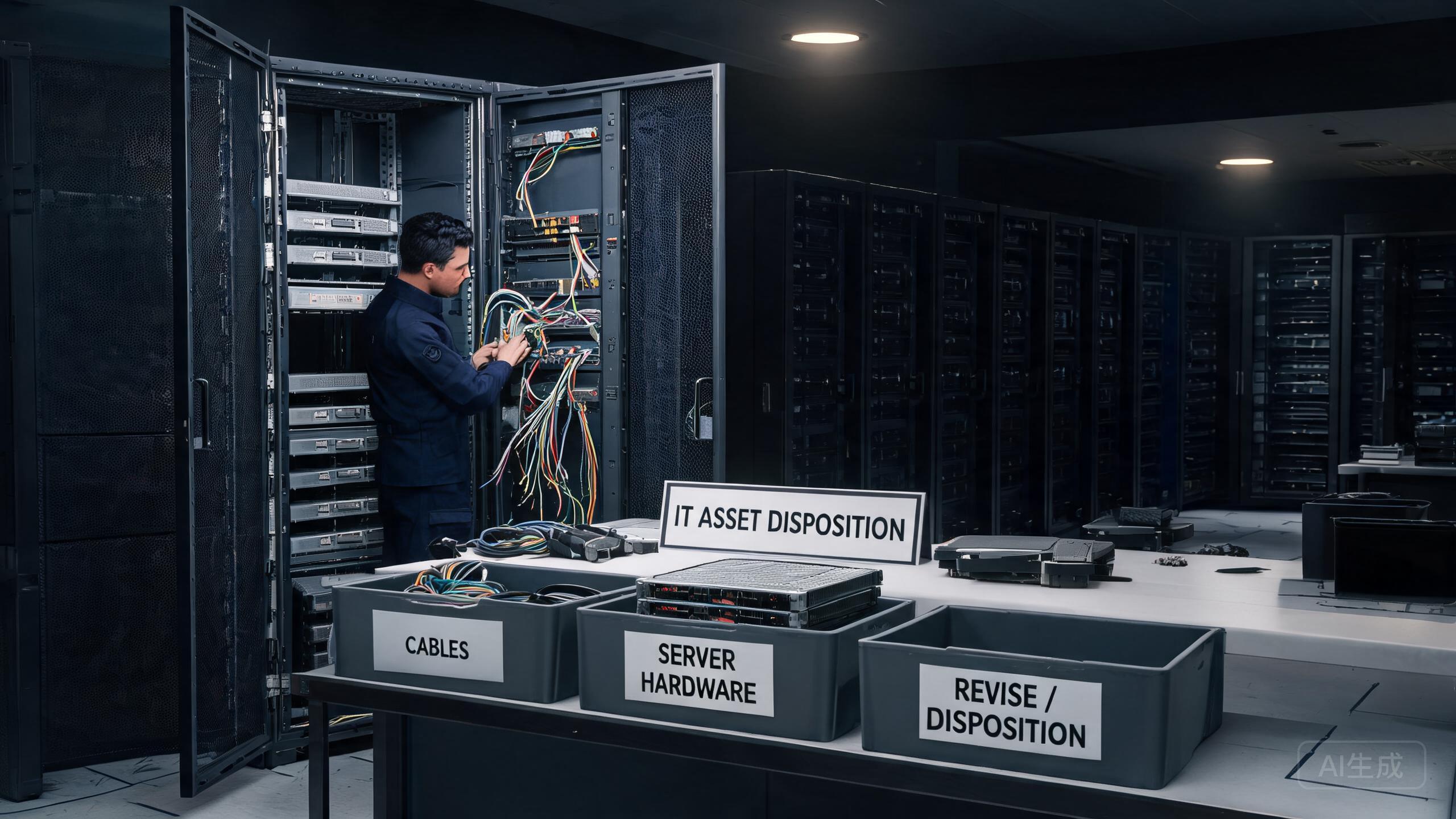
The GPU market in 2026 looks nothing like the shortage-driven frenzy of 2023. Supply chains have normalized, next-generation architectures are in production, and data center operators are sitting on significant inventory that needs lifecycle management. Here's what's driving valuations right now.
The AI Infrastructure Build-Out
The transition from NVIDIA A100 to H100 and H200 architectures is the single biggest driver of secondary-market supply in 2026. Enterprises and cloud providers that refreshed their fleets in 2023 to 2024 are now decommissioning A100 clusters as H100 and H200 systems come online, creating a steady stream of high-quality used hardware entering the resale market.
This upgrade cycle differs from previous generations because the performance leap is substantial. The H100's HBM3 memory and dedicated transformer engine make A100 clusters noticeably less competitive for frontier model training. Organizations are eager to recover capital from decommissioned A100s to offset the cost of new H200 infrastructure, which creates favorable pricing conditions for buyers seeking volume.
We are also seeing AMD MI250X hardware entering the secondary market as operators upgrade to MI300X and MI325X systems. While AMD's data center GPU market share remains smaller than NVIDIA's, the volume is growing each quarter, and pricing for MI250X modules remains attractive relative to their compute capability and memory bandwidth.
Current Buyback Pricing
The table below reflects representative buyback price ranges for the most commonly traded server and data center GPUs in Q3 2026. These figures are based on actual transactions across our network and are updated regularly as market conditions shift.
| GPU Model | Avg. Buyback Price |
|---|---|
| NVIDIA A100 80GB | $8,200 - $11,500 |
| NVIDIA H100 80GB | $22,000 - $28,000 |
| NVIDIA L40S | $6,500 - $8,800 |
| AMD MI250X | $4,200 - $6,100 |
| NVIDIA RTX 6000 Ada | $3,800 - $5,200 |
Prices reflect Q3 2026 market data and vary by condition, quantity, and packaging.
What This Means for Sellers
If you are sitting on decommissioned or surplus GPU inventory, three factors should shape your timing and approach:
- Timing matters: sell before next-gen announcements cause depreciation
- Condition grading affects price by up to 40%
- Bulk lots command premium pricing over individual units
The window for maximizing A100 recovery value is narrowing. We expect pricing to soften by 15-20% once the H200 reaches widespread deployment in Q1 2027.
Preparing Your Hardware for Sale
The condition of your hardware when it arrives for evaluation directly impacts the final offer. Start by carefully cleaning each GPU — remove dust from heatsinks and fans, and ensure the PCIe contacts and SXM connectors are free of debris. Avoid harsh solvents; isopropyl alcohol and compressed air are sufficient. If you have the original anti-static packaging, use it to protect each unit during transit.
Documentation matters as much as physical condition. Gather original purchase orders, warranty information, and any diagnostic or test reports you have available. For bulk lots, prepare a manifest listing each unit's model, memory configuration, serial number, and condition grade. The sample inventory format below shows the level of detail that helps us provide the fastest and most accurate quote.
{
    "model": "NVIDIA A100",
    "memory": "80GB HBM2e",
    "quantity": 4,
    "condition": "used-good",
    "packaging": "original"
}